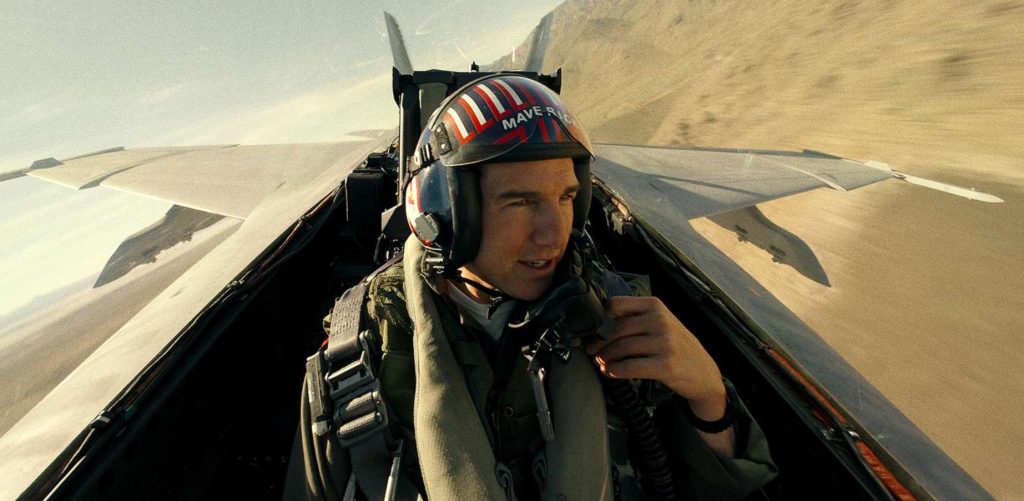
The Origins of Top Gun
The conception of the Top Gun franchise can be traced back to the early 1980s, a period marked by a renewed interest in military aviation and naval power. Recognizing the need to promote the United States Navy and its Fighter Weapons School, the Navy sought to create a film that would encapsulate the excitement and intensity of carrier-based fighter pilot training. The project aimed to highlight the skills and dedication required to succeed in such a demanding field, ultimately serving both as a recruitment tool and a cultural showcase.
The Navy’s Fighter Weapons School, established in the 1960s, was crucial in shaping the narrative of Top Gun. The real-life experiences of naval aviators provided rich material for the screenplay, which was initially created by Jim Cash and Jack Epps Jr. Their work was influenced heavily by a 1983 article in California magazine that profiled the school and its graduates. The writers sought to blend authentic training experiences with a gripping personal story, focusing on the challenges faced by fighter pilots both in the air and on the ground.
Behind the Scenes: Production and Casting
The production of “Top Gun” is as exhilarating as the aerial dogfights depicted on screen. Directed by Tony Scott, the film faced a myriad of challenges from the outset, particularly in terms of casting and achieving an authentic representation of naval aviation. At the heart of the film’s allure is Tom Cruise, who was cast as Pete “Maverick” Mitchell. Cruise’s portrayal of the ambitious young pilot not only fueled the film’s popularity but also established him as a leading Hollywood actor. His performance was characterized by an intensity that resonated with audiences, bringing a complex character to life.
Joining Cruise were Kelly McGillis as Charlotte “Charlie” Blackwood and Val Kilmer as Tom “Iceman” Kazansky, both of whom contributed significantly to the narrative. McGillis’s strong performance as Maverick’s love interest added emotional depth to the story, while Kilmer’s portrayal of Iceman introduced a competitive dynamic that highlighted the intense atmosphere within the flight school. The chemistry among the cast members played a crucial role in enhancing character relationships, ultimately shaping the film’s narrative into a compelling drama that captivated viewers.
Moreover, the production faced logistical challenges, particularly in coordinating complex aerial maneuvers with real fighter jets. Working closely with the United States Navy, the filmmakers secured access to genuine aircraft, ensuring that the action sequences maintained a high degree of realism. This partnership not only lent authenticity to the flying scenes but also illuminated the rigorous training and professionalism required of naval aviators. From filming in various locations to navigating the intricate choreography of aerial combat, the commitment to realism became a defining feature of “Top Gun,” solidifying its status as a cultural phenomenon that extended beyond mainstream cinema.
The Impact and Reception of Top Gun
Released on May 16, 1986, “Top Gun” swiftly emerged as a cinematic sensation, earning a remarkable $356 million at the global box office. The film’s commercial success was paralleled by its critical reception, as it garnered mixed reviews from critics but ultimately became iconic among audiences. Notably, “Top Gun” played a pivotal role in establishing Tom Cruise as a Hollywood superstar, showcasing his charismatic performance as Pete “Maverick” Mitchell. The movie’s engaging storyline, featuring themes of friendship, competition, and personal growth, appealed to viewers across various demographics.
The film’s cultural impact was profound, transforming the way military aviation and naval aviation were perceived in popular culture. “Top Gun” introduced the world to the High Fighter School in Miramar, California, and propelled the image of naval aviators into the mainstream consciousness. The portrayal of sleek fighter jets, coupled with an exhilarating soundtrack featuring tracks such as “Danger Zone” by Kenny Loggins, helped create an enduring love for military aviation among the public. Furthermore, the film’s influence was notable, as enlistment rates in the United States Navy surged following its release, showcasing its ability to inspire young individuals to consider careers in military aviation.
As a cultural touchstone of the 1980s, “Top Gun” left an indelible mark on film and pop culture. Its themes of heroism, camaraderie, and rivalry resonated powerfully with audiences worldwide, creating a legacy that persists even decades later. Iconic quotes and scenes from the film became embedded in the broader cultural lexicon, revealing how deeply the film struck a chord with viewers. Overall, “Top Gun” not only set a benchmark for action films but also defined an era, cementing its status as a classic. The film’s lasting legacy continues to shape the representation of military aviation in cinema, marking it as one of the most significant films of its time.
Legacy and Continuing Influence
The legacy of Top Gun, released in 1986, is multifaceted, establishing itself as a cornerstone in the realm of military and aviation films. Not only did it redefine the action genre, but it also influenced a slew of subsequent films that aimed to capture the same exhilarating essence of aerial combat and camaraderie. Its combination of stunning visuals, a powerful soundtrack, and a compelling narrative about naval aviators set a benchmark for storytelling in action cinema. Films like Stealth and Independence Day drew inspiration from the iconic aerial sequences and character dynamics that Top Gun introduced.
The impact of Top Gun extends beyond just cinematic experiences; it has permeated popular culture in various forms. With its memorable quotes and iconic characters, the film has been the subject of numerous tributes. Merchandise ranging from apparel, model aircraft, and even themed video games has kept the spirit of Top Gun alive, ensuring its presence in the collective memory of audiences. The game Top Gun: Combat Zones, for instance, allowed fans to engage in simulated dogfights, further cementing the film’s influence on gaming culture.
The much-anticipated sequel, Top Gun: Maverick, revives the original narrative while introducing contemporary themes and technology, appealing to both long-time fans and a new generation of viewers. The sequel explores the evolution of aerial combat and the ongoing relevance of military aviators, promising to capture the thrill that made the original film a cultural phenomenon. By doing so, it not only honors the legacy of its predecessor but also adapts it for modern audiences, thereby solidifying Top Gun’s position as an enduring influence in the cinematic world. As fans eagerly await the sequel, it is evident that the legacy of Top Gun will continue to soar for years to come.